Buy 199.eu ?
We are moving the project
199.eu .
Are you interested in purchasing the domain
199.eu ?
domain@kv-gmbh.de · 0541-91531010
Buy 199.eu ?
Why are hemiacetal hydroxyl groups more reactive?
Hemiacetal hydroxyl groups are more reactive than regular hydroxyl groups because they are attached to a carbon atom that is also bonded to an oxygen atom. This makes the carbon atom partially positive, increasing the electrophilicity of the hydroxyl group. As a result, hemiacetal hydroxyl groups are more prone to nucleophilic attack, making them more reactive in various chemical reactions such as acetal formation or hydrolysis. **
How does base-catalyzed hemiacetal formation occur?
Base-catalyzed hemiacetal formation occurs through a nucleophilic attack of the hydroxyl group of an alcohol on the carbonyl carbon of an aldehyde or ketone. The base deprotonates the hydroxyl group, making it a better nucleophile, which then attacks the electrophilic carbonyl carbon. This forms a tetrahedral intermediate, which then collapses to form the hemiacetal product. The base also helps in deprotonating the newly formed alcohol group, stabilizing the hemiacetal product. **


Similar search terms for Hemiacetal
Top-Angebote
Products related to Hemiacetal:
-
MegaChef 10in1 Electronic Multifunction 360 Degree Hot Air Technology Countertop OvenWith the MegaChef Electronic Multifunction 3600 Degree Hot Air Countertop Oven, you can do so much more. Beautifully engineered design has convenience and precision in mind with 10 preset functions that will take the guessing game out of cooking.214,49 $*Shipping: 0,00 $Secure redirect to the provider
-
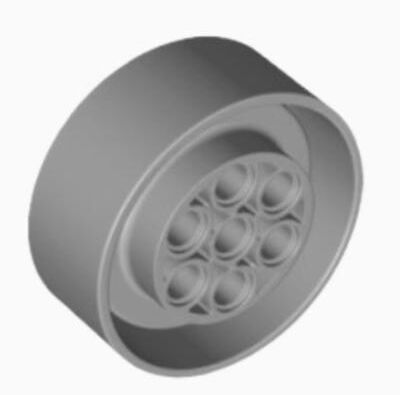
Lush Living Finds Perforated Brick Assembly Toy Accessories With Technology Mechanical Wheels Perforated Brick Assembly Toy Accessories With Technology Mechanical WheelsEnhance Creativity with Technology Mechanical Wheels Unlock the power of innovation with our technology mechanical wheels, designed specifically for perforated brick assembly toy accessories. Whether you are a hobbyist or a seasoned builder, these...43,97 $*Shipping: 0,00 $Secure redirect to the provider
-
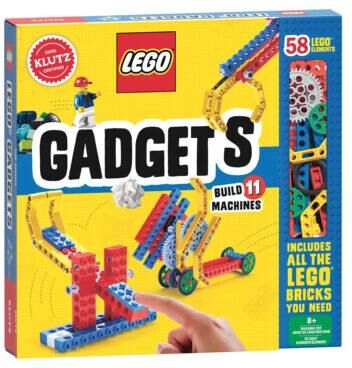
Klutz: LEGO GadgetsThis activity kit will have you building 11 machines including a gravity powered car and a wacky boxing robot. The fun doesn't stop once you've completed all of the projects in the book - open-ended prompts will inspire you to continue experimenting...24,99 $*Shipping: 0,00 $Secure redirect to the provider
-
Sesderma Reti Age 5 Liposomal Serum Anti-Aging Innovation 30mLA facial serum for wrinkles and signs of ageing. Reduces wrinkles and fine lines. Hydrates and strengthens barrier. Restores youthful radiance. 5-Retinoid System: smooths wrinkles, accelerates renewal, and boosts collagen. Biomimetic Peptides: fill expression lines by stimulating collagen synthesis.53,26 £*Shipping: 5,22 £Secure redirect to the provider


-
What is the definition of acetal and hemiacetal?
Acetal and hemiacetal are both functional groups in organic chemistry. An acetal is a functional group with two -OR groups attached to a carbon atom, while a hemiacetal has one -OR group and one -OH group attached to a carbon atom. Acetals are formed from the reaction between an aldehyde or ketone with two alcohol groups, while hemiacetals are formed from the reaction between an aldehyde or ketone with one alcohol group. Both acetal and hemiacetal groups are commonly found in carbohydrates. **
-
What is the term for intramolecular hemiacetal formation?
The term for intramolecular hemiacetal formation is called cyclization. This process involves the formation of a hemiacetal within the same molecule, typically through the reaction of a hydroxyl group with a carbonyl group in close proximity. Cyclization reactions are commonly seen in carbohydrate chemistry and are important for the formation of cyclic structures in organic compounds. **
-
How does the base-catalyzed hemiacetal formation occur?
Base-catalyzed hemiacetal formation occurs through a nucleophilic attack of the hydroxyl group of an alcohol on the carbonyl carbon of an aldehyde or ketone. The base deprotonates the alcohol, making it a better nucleophile. The nucleophilic oxygen then attacks the electrophilic carbonyl carbon, leading to the formation of a tetrahedral intermediate. Finally, proton transfer and elimination of the leaving group result in the formation of the hemiacetal product. **
-
How is a hemiacetal and an acetal formed?
A hemiacetal is formed when an alcohol group reacts with an aldehyde or ketone group, resulting in the formation of a carbon-oxygen-carbon bond. This reaction involves the nucleophilic attack of the alcohol oxygen on the carbonyl carbon, followed by proton transfer to form the hemiacetal. An acetal is then formed when a hemiacetal undergoes a second alcohol addition reaction, resulting in the formation of a new carbon-oxygen-carbon bond and the elimination of a water molecule. **

What is the chemical structure of formaldehyde, ethanol, and hemiacetal?
Formaldehyde has a chemical structure of HCHO, with a carbon atom bonded to two hydrogen atoms and an oxygen atom. Ethanol has a chemical structure of C2H5OH, with two carbon atoms bonded to each other, one of which is also bonded to three hydrogen atoms and the other to an oxygen atom. A hemiacetal has a general chemical structure of R1R2C(OH)OR3, where R1 and R2 are alkyl or aryl groups, and R3 is an alkyl or aryl group or a hydrogen atom. **
What is the structure of the starting materials for a hemiacetal?
The starting materials for a hemiacetal are an aldehyde or a ketone and an alcohol. The aldehyde or ketone contains a carbonyl group (C=O) and the alcohol contains a hydroxyl group (OH). When the carbonyl group of the aldehyde or ketone reacts with the hydroxyl group of the alcohol, a hemiacetal is formed through a nucleophilic addition reaction. The resulting structure contains an -OH group and an -OR group (where R is an alkyl or aryl group) attached to the same carbon atom, forming a hemiacetal functional group. **
Top-Angebote
Products related to Hemiacetal:
-
Rare Purchases Piece Repair Tool Kit With Torx Screwdrivers For Digital Devices And Gadgets magnetismIntroducing our Multifunctional Precision Screwdriver Set, the essential tool kit for anyone who works with digital devices. Whether you're repairing a phone, tablet, PC, or any other gadget, this versatile tool set provides all the necessary...49,97 $*Shipping: 0,00 $Secure redirect to the provider
-
Inspired Deals Metal Key Lock Switch IP54 Electronic Key Switch For Secure Panels And Devices Metal Key Lock Switch IP54 Electronic Key Switch For Secure Panels And DevicesBuilt for reliability and control, this compact electronic key switch gives you a simple, secure way to manage access to your devices and systems. Designed with a durable metal knob and precise locking mechanism, its ideal for DIY electronics,...34,97 $*Shipping: 0,00 $Secure redirect to the provider
-
MegaChef 10in1 Electronic Multifunction 360 Degree Hot Air Technology Countertop OvenWith the MegaChef Electronic Multifunction 3600 Degree Hot Air Countertop Oven, you can do so much more. Beautifully engineered design has convenience and precision in mind with 10 preset functions that will take the guessing game out of cooking.214,49 $*Shipping: 0,00 $Secure redirect to the provider
-
Lush Living Finds Perforated Brick Assembly Toy Accessories With Technology Mechanical Wheels Perforated Brick Assembly Toy Accessories With Technology Mechanical WheelsEnhance Creativity with Technology Mechanical Wheels Unlock the power of innovation with our technology mechanical wheels, designed specifically for perforated brick assembly toy accessories. Whether you are a hobbyist or a seasoned builder, these...43,97 $*Shipping: 0,00 $Secure redirect to the provider
-
Why are hemiacetal hydroxyl groups more reactive?
Hemiacetal hydroxyl groups are more reactive than regular hydroxyl groups because they are attached to a carbon atom that is also bonded to an oxygen atom. This makes the carbon atom partially positive, increasing the electrophilicity of the hydroxyl group. As a result, hemiacetal hydroxyl groups are more prone to nucleophilic attack, making them more reactive in various chemical reactions such as acetal formation or hydrolysis. **
-
How does base-catalyzed hemiacetal formation occur?
Base-catalyzed hemiacetal formation occurs through a nucleophilic attack of the hydroxyl group of an alcohol on the carbonyl carbon of an aldehyde or ketone. The base deprotonates the hydroxyl group, making it a better nucleophile, which then attacks the electrophilic carbonyl carbon. This forms a tetrahedral intermediate, which then collapses to form the hemiacetal product. The base also helps in deprotonating the newly formed alcohol group, stabilizing the hemiacetal product. **
-
What is the definition of acetal and hemiacetal?
Acetal and hemiacetal are both functional groups in organic chemistry. An acetal is a functional group with two -OR groups attached to a carbon atom, while a hemiacetal has one -OR group and one -OH group attached to a carbon atom. Acetals are formed from the reaction between an aldehyde or ketone with two alcohol groups, while hemiacetals are formed from the reaction between an aldehyde or ketone with one alcohol group. Both acetal and hemiacetal groups are commonly found in carbohydrates. **
-
What is the term for intramolecular hemiacetal formation?
The term for intramolecular hemiacetal formation is called cyclization. This process involves the formation of a hemiacetal within the same molecule, typically through the reaction of a hydroxyl group with a carbonyl group in close proximity. Cyclization reactions are commonly seen in carbohydrate chemistry and are important for the formation of cyclic structures in organic compounds. **
Similar search terms for Hemiacetal
-
Klutz: LEGO GadgetsThis activity kit will have you building 11 machines including a gravity powered car and a wacky boxing robot. The fun doesn't stop once you've completed all of the projects in the book - open-ended prompts will inspire you to continue experimenting...24,99 $*Shipping: 0,00 $Secure redirect to the provider
-
Sesderma Reti Age 5 Liposomal Serum Anti-Aging Innovation 30mLA facial serum for wrinkles and signs of ageing. Reduces wrinkles and fine lines. Hydrates and strengthens barrier. Restores youthful radiance. 5-Retinoid System: smooths wrinkles, accelerates renewal, and boosts collagen. Biomimetic Peptides: fill expression lines by stimulating collagen synthesis.53,26 £*Shipping: 5,22 £Secure redirect to the provider
-
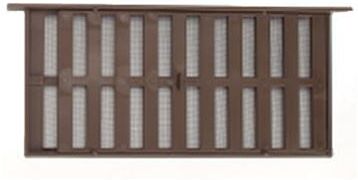
Lomanco 199 2-Slide Shutters Plastic Foundation Vent Carton of 12 199 - BrownThe Lomanco 199 foundation vent is crafted out of a durable polypropylene plastic material. Lomanco foundation vents feature an 8 x 8-inch perma-coated aluminum screen engineered for maximum weather protection. This foundation vent is ideal for use...174,28 $*Shipping: 0,00 $Secure redirect to the provider
-
Multisell Products Hub Magnetic Bottle Opener For Household Mineral Water Plastic Beverage Bottles And Cap Opening, Kitchen Accessories Gadgets blueEffortless Cap Opening for Everyday Kitchens Upgrade your routine with this 1 pcs Kitchen Accessories Gadgets Magnetic Bottle Opener for Household Mineral Water Plastic Beverage Bottles and Cap Opening designed for convenience and comfort. It makes...34,97 $*Shipping: 0,00 $Secure redirect to the provider
-
How does the base-catalyzed hemiacetal formation occur?
Base-catalyzed hemiacetal formation occurs through a nucleophilic attack of the hydroxyl group of an alcohol on the carbonyl carbon of an aldehyde or ketone. The base deprotonates the alcohol, making it a better nucleophile. The nucleophilic oxygen then attacks the electrophilic carbonyl carbon, leading to the formation of a tetrahedral intermediate. Finally, proton transfer and elimination of the leaving group result in the formation of the hemiacetal product. **
-
How is a hemiacetal and an acetal formed?
A hemiacetal is formed when an alcohol group reacts with an aldehyde or ketone group, resulting in the formation of a carbon-oxygen-carbon bond. This reaction involves the nucleophilic attack of the alcohol oxygen on the carbonyl carbon, followed by proton transfer to form the hemiacetal. An acetal is then formed when a hemiacetal undergoes a second alcohol addition reaction, resulting in the formation of a new carbon-oxygen-carbon bond and the elimination of a water molecule. **
-
What is the chemical structure of formaldehyde, ethanol, and hemiacetal?
Formaldehyde has a chemical structure of HCHO, with a carbon atom bonded to two hydrogen atoms and an oxygen atom. Ethanol has a chemical structure of C2H5OH, with two carbon atoms bonded to each other, one of which is also bonded to three hydrogen atoms and the other to an oxygen atom. A hemiacetal has a general chemical structure of R1R2C(OH)OR3, where R1 and R2 are alkyl or aryl groups, and R3 is an alkyl or aryl group or a hydrogen atom. **
-
What is the structure of the starting materials for a hemiacetal?
The starting materials for a hemiacetal are an aldehyde or a ketone and an alcohol. The aldehyde or ketone contains a carbonyl group (C=O) and the alcohol contains a hydroxyl group (OH). When the carbonyl group of the aldehyde or ketone reacts with the hydroxyl group of the alcohol, a hemiacetal is formed through a nucleophilic addition reaction. The resulting structure contains an -OH group and an -OR group (where R is an alkyl or aryl group) attached to the same carbon atom, forming a hemiacetal functional group. **
* All prices are inclusive of VAT and, if applicable, plus shipping costs. The offer information is based on the details provided by the respective shop and is updated through automated processes. Real-time updates do not occur, so deviations can occur in individual cases. ** Note: Parts of this content were created by AI.