Buy 199.eu ?
We are moving the project
199.eu .
Are you interested in purchasing the domain
199.eu ?
domain@kv-gmbh.de · 0541-91531010
Buy 199.eu ?
Hypersensitivity to antibiotics?
Hypersensitivity to antibiotics refers to an exaggerated immune response to certain antibiotics, leading to allergic reactions such as rashes, itching, swelling, or in severe cases, anaphylaxis. This can occur with any type of antibiotic, but some are more commonly associated with hypersensitivity reactions, such as penicillin and sulfa drugs. It is important for individuals with known hypersensitivity to antibiotics to inform their healthcare providers, so that alternative medications can be prescribed to avoid potential allergic reactions. **
How can one unlearn hypersensitivity?
One can unlearn hypersensitivity by practicing mindfulness and self-awareness to identify triggers and reactions. It is important to challenge negative thought patterns and beliefs that contribute to hypersensitivity. Seeking therapy or counseling can also be beneficial in addressing underlying issues and developing coping strategies. Additionally, engaging in relaxation techniques, such as deep breathing or meditation, can help manage emotional responses and promote a sense of calmness. **


Similar search terms for Hypersensitivity
Top-Angebote
Products related to Hypersensitivity:
-
MegaChef 10in1 Electronic Multifunction 360 Degree Hot Air Technology Countertop OvenWith the MegaChef Electronic Multifunction 3600 Degree Hot Air Countertop Oven, you can do so much more. Beautifully engineered design has convenience and precision in mind with 10 preset functions that will take the guessing game out of cooking.214,49 $*Shipping: 0,00 $Secure redirect to the provider
-
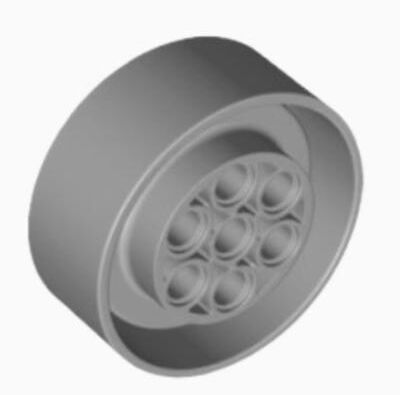
Lush Living Finds Perforated Brick Assembly Toy Accessories With Technology Mechanical Wheels Perforated Brick Assembly Toy Accessories With Technology Mechanical WheelsEnhance Creativity with Technology Mechanical Wheels Unlock the power of innovation with our technology mechanical wheels, designed specifically for perforated brick assembly toy accessories. Whether you are a hobbyist or a seasoned builder, these...43,97 $*Shipping: 0,00 $Secure redirect to the provider
-
Klutz: LEGO GadgetsThis activity kit will have you building 11 machines including a gravity powered car and a wacky boxing robot. The fun doesn't stop once you've completed all of the projects in the book - open-ended prompts will inspire you to continue experimenting...24,99 $*Shipping: 0,00 $Secure redirect to the provider
-
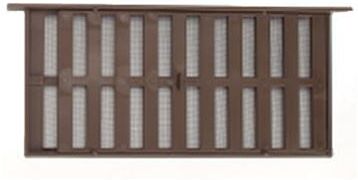
Lomanco 199 2-Slide Shutters Plastic Foundation Vent Carton of 12 199 - BrownThe Lomanco 199 foundation vent is crafted out of a durable polypropylene plastic material. Lomanco foundation vents feature an 8 x 8-inch perma-coated aluminum screen engineered for maximum weather protection. This foundation vent is ideal for use...174,28 $*Shipping: 0,00 $Secure redirect to the provider


-
What are signs of hypersensitivity?
Signs of hypersensitivity can include skin rashes, itching, hives, swelling, difficulty breathing, and in severe cases, anaphylaxis. Other symptoms may include sneezing, runny nose, watery eyes, and gastrointestinal issues such as nausea, vomiting, or diarrhea. These symptoms can occur when the immune system overreacts to a normally harmless substance, such as pollen, certain foods, or medications. If you experience any of these symptoms, it is important to seek medical attention to determine the cause and receive appropriate treatment. **
-
Is electromagnetic hypersensitivity a recognized illness?
Electromagnetic hypersensitivity (EHS) is not recognized as a medical diagnosis by most scientific and medical communities. Studies have not been able to consistently demonstrate a causal relationship between electromagnetic fields and the reported symptoms of EHS. However, some individuals do report experiencing symptoms such as headaches, fatigue, and difficulty concentrating when exposed to electromagnetic fields, and they may seek alternative treatments or lifestyle changes to manage their symptoms. It is important for individuals experiencing these symptoms to consult with a healthcare provider to rule out other potential causes and receive appropriate support and guidance. **
-
Where can the hypersensitivity of the skin come from?
Hypersensitivity of the skin can arise from various factors such as allergies, irritants, genetic predisposition, autoimmune conditions, or underlying skin conditions like eczema or psoriasis. Allergic reactions to certain substances, such as certain foods, medications, or skincare products, can also lead to skin hypersensitivity. Additionally, environmental factors like extreme temperatures, sun exposure, or pollution can trigger skin sensitivity in some individuals. Proper diagnosis and identification of the underlying cause are essential for managing and treating hypersensitive skin effectively. **
-
Does anyone have experience with hypersensitivity or high sensitivity?
Yes, many people have experience with hypersensitivity or high sensitivity. Some individuals may have a heightened sensitivity to sensory stimuli, such as loud noises, bright lights, or certain textures. This can impact their daily lives and may require accommodations to manage their sensitivity. It's important for those with hypersensitivity to communicate their needs and for others to be understanding and supportive. There are also various coping strategies and therapies available to help manage hypersensitivity. **


What do some people have against the concept of hypersensitivity?
Some people may have a negative view of hypersensitivity because they believe it can lead to overreactions and unnecessary drama in interpersonal relationships. They may also see hypersensitivity as a sign of weakness or fragility, and believe that individuals should toughen up and not take things so personally. Additionally, some people may feel that hypersensitivity can be a barrier to effective communication and problem-solving, as it may lead to misunderstandings and conflict. **
Where can one get a diagnosis for hypersensitivity/high sensitivity from a doctor?
One can get a diagnosis for hypersensitivity or high sensitivity from a doctor by consulting with a healthcare provider such as an allergist, immunologist, or a psychologist. These healthcare professionals can conduct tests, assessments, and evaluations to determine if an individual is hypersensitive or highly sensitive to certain stimuli. It is important to seek medical advice and guidance from a qualified healthcare provider to receive an accurate diagnosis and appropriate treatment plan. **
Top-Angebote
Products related to Hypersensitivity:
-
Rare Purchases Piece Repair Tool Kit With Torx Screwdrivers For Digital Devices And Gadgets magnetismIntroducing our Multifunctional Precision Screwdriver Set, the essential tool kit for anyone who works with digital devices. Whether you're repairing a phone, tablet, PC, or any other gadget, this versatile tool set provides all the necessary...49,97 $*Shipping: 0,00 $Secure redirect to the provider
-
Inspired Deals Metal Key Lock Switch IP54 Electronic Key Switch For Secure Panels And Devices Metal Key Lock Switch IP54 Electronic Key Switch For Secure Panels And DevicesBuilt for reliability and control, this compact electronic key switch gives you a simple, secure way to manage access to your devices and systems. Designed with a durable metal knob and precise locking mechanism, its ideal for DIY electronics,...34,97 $*Shipping: 0,00 $Secure redirect to the provider
-
MegaChef 10in1 Electronic Multifunction 360 Degree Hot Air Technology Countertop OvenWith the MegaChef Electronic Multifunction 3600 Degree Hot Air Countertop Oven, you can do so much more. Beautifully engineered design has convenience and precision in mind with 10 preset functions that will take the guessing game out of cooking.214,49 $*Shipping: 0,00 $Secure redirect to the provider
-
Lush Living Finds Perforated Brick Assembly Toy Accessories With Technology Mechanical Wheels Perforated Brick Assembly Toy Accessories With Technology Mechanical WheelsEnhance Creativity with Technology Mechanical Wheels Unlock the power of innovation with our technology mechanical wheels, designed specifically for perforated brick assembly toy accessories. Whether you are a hobbyist or a seasoned builder, these...43,97 $*Shipping: 0,00 $Secure redirect to the provider
-
Hypersensitivity to antibiotics?
Hypersensitivity to antibiotics refers to an exaggerated immune response to certain antibiotics, leading to allergic reactions such as rashes, itching, swelling, or in severe cases, anaphylaxis. This can occur with any type of antibiotic, but some are more commonly associated with hypersensitivity reactions, such as penicillin and sulfa drugs. It is important for individuals with known hypersensitivity to antibiotics to inform their healthcare providers, so that alternative medications can be prescribed to avoid potential allergic reactions. **
-
How can one unlearn hypersensitivity?
One can unlearn hypersensitivity by practicing mindfulness and self-awareness to identify triggers and reactions. It is important to challenge negative thought patterns and beliefs that contribute to hypersensitivity. Seeking therapy or counseling can also be beneficial in addressing underlying issues and developing coping strategies. Additionally, engaging in relaxation techniques, such as deep breathing or meditation, can help manage emotional responses and promote a sense of calmness. **
-
What are signs of hypersensitivity?
Signs of hypersensitivity can include skin rashes, itching, hives, swelling, difficulty breathing, and in severe cases, anaphylaxis. Other symptoms may include sneezing, runny nose, watery eyes, and gastrointestinal issues such as nausea, vomiting, or diarrhea. These symptoms can occur when the immune system overreacts to a normally harmless substance, such as pollen, certain foods, or medications. If you experience any of these symptoms, it is important to seek medical attention to determine the cause and receive appropriate treatment. **
-
Is electromagnetic hypersensitivity a recognized illness?
Electromagnetic hypersensitivity (EHS) is not recognized as a medical diagnosis by most scientific and medical communities. Studies have not been able to consistently demonstrate a causal relationship between electromagnetic fields and the reported symptoms of EHS. However, some individuals do report experiencing symptoms such as headaches, fatigue, and difficulty concentrating when exposed to electromagnetic fields, and they may seek alternative treatments or lifestyle changes to manage their symptoms. It is important for individuals experiencing these symptoms to consult with a healthcare provider to rule out other potential causes and receive appropriate support and guidance. **
Similar search terms for Hypersensitivity
-
Klutz: LEGO GadgetsThis activity kit will have you building 11 machines including a gravity powered car and a wacky boxing robot. The fun doesn't stop once you've completed all of the projects in the book - open-ended prompts will inspire you to continue experimenting...24,99 $*Shipping: 0,00 $Secure redirect to the provider
-
Lomanco 199 2-Slide Shutters Plastic Foundation Vent Carton of 12 199 - BrownThe Lomanco 199 foundation vent is crafted out of a durable polypropylene plastic material. Lomanco foundation vents feature an 8 x 8-inch perma-coated aluminum screen engineered for maximum weather protection. This foundation vent is ideal for use...174,28 $*Shipping: 0,00 $Secure redirect to the provider
-
Multisell Products Hub Magnetic Bottle Opener For Household Mineral Water Plastic Beverage Bottles And Cap Opening, Kitchen Accessories Gadgets whiteEffortless Cap Opening for Everyday Kitchens Upgrade your routine with this 1 pcs Kitchen Accessories Gadgets Magnetic Bottle Opener for Household Mineral Water Plastic Beverage Bottles and Cap Opening designed for convenience and comfort. It makes...34,97 $*Shipping: 0,00 $Secure redirect to the provider
-
GlowBake Spudger Pry Repair Tool Kit For Phone Tablet PC, Opening Screwdriver Disassembly Set For Mobile Electronic Devices 14 In 1Unlock professionallevel repairs with this 22 in 1 Repair Opening Tools Kit Spudger Pry Screwdriver Set your essential companion for disassembling mobile phones, tablets, laptops, and other electronic devices safely and efficiently. Whether you're a...21,97 $*Shipping: 0,00 $Secure redirect to the provider
-
Where can the hypersensitivity of the skin come from?
Hypersensitivity of the skin can arise from various factors such as allergies, irritants, genetic predisposition, autoimmune conditions, or underlying skin conditions like eczema or psoriasis. Allergic reactions to certain substances, such as certain foods, medications, or skincare products, can also lead to skin hypersensitivity. Additionally, environmental factors like extreme temperatures, sun exposure, or pollution can trigger skin sensitivity in some individuals. Proper diagnosis and identification of the underlying cause are essential for managing and treating hypersensitive skin effectively. **
-
Does anyone have experience with hypersensitivity or high sensitivity?
Yes, many people have experience with hypersensitivity or high sensitivity. Some individuals may have a heightened sensitivity to sensory stimuli, such as loud noises, bright lights, or certain textures. This can impact their daily lives and may require accommodations to manage their sensitivity. It's important for those with hypersensitivity to communicate their needs and for others to be understanding and supportive. There are also various coping strategies and therapies available to help manage hypersensitivity. **
-
What do some people have against the concept of hypersensitivity?
Some people may have a negative view of hypersensitivity because they believe it can lead to overreactions and unnecessary drama in interpersonal relationships. They may also see hypersensitivity as a sign of weakness or fragility, and believe that individuals should toughen up and not take things so personally. Additionally, some people may feel that hypersensitivity can be a barrier to effective communication and problem-solving, as it may lead to misunderstandings and conflict. **
-
Where can one get a diagnosis for hypersensitivity/high sensitivity from a doctor?
One can get a diagnosis for hypersensitivity or high sensitivity from a doctor by consulting with a healthcare provider such as an allergist, immunologist, or a psychologist. These healthcare professionals can conduct tests, assessments, and evaluations to determine if an individual is hypersensitive or highly sensitive to certain stimuli. It is important to seek medical advice and guidance from a qualified healthcare provider to receive an accurate diagnosis and appropriate treatment plan. **
* All prices are inclusive of VAT and, if applicable, plus shipping costs. The offer information is based on the details provided by the respective shop and is updated through automated processes. Real-time updates do not occur, so deviations can occur in individual cases. ** Note: Parts of this content were created by AI.